The Tesla Cyber Van Robo Taxi is the latest innovation that has sparked both excitement and skepticism in equal measure. While the idea of a futuristic, fully autonomous taxi service sounds appealing, there are growing concerns surrounding the practicality, safety, and ethics of this ambitious venture. From design peculiarities to regulatory hurdles, critics and consumers alike are questioning whether Tesla’s newest brainchild is truly ready for widespread adoption.
Lack of a Steering Wheel
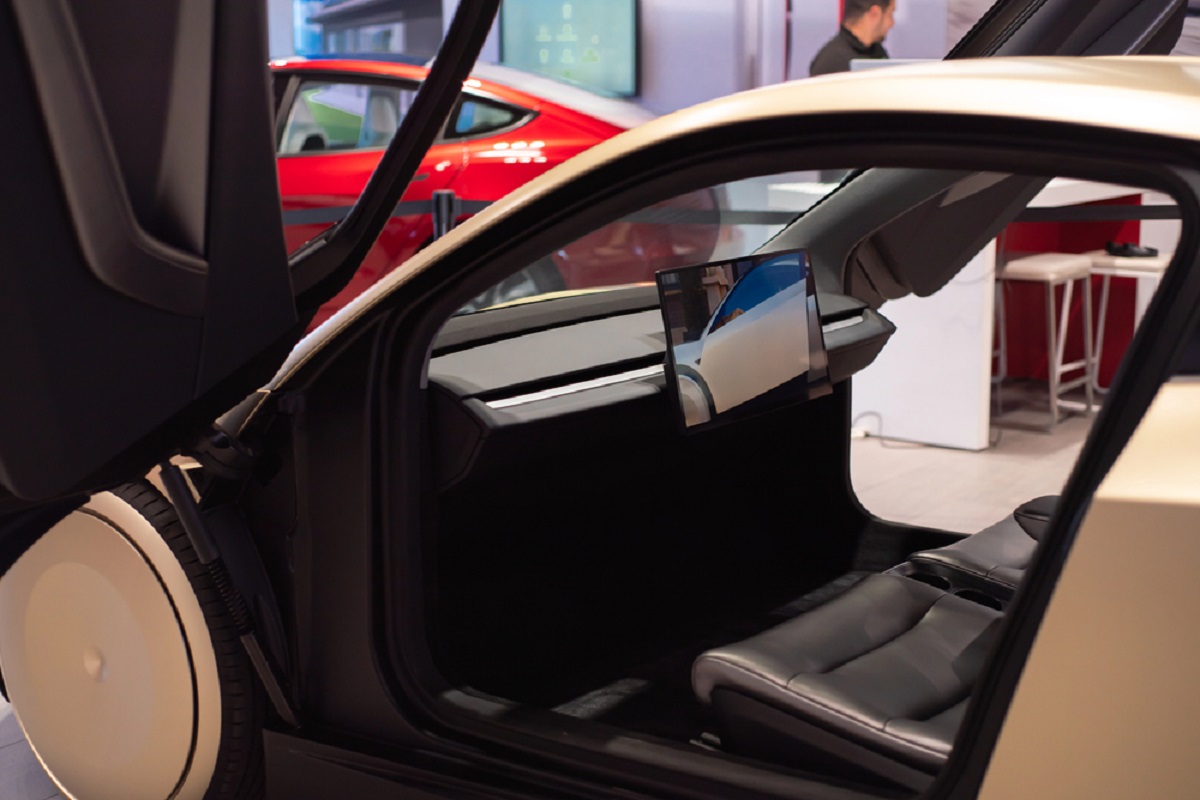
Tesla’s decision to remove the traditional steering wheel has raised eyebrows among safety experts. In emergencies or unexpected software failures, human intervention may be essential, and the absence of a manual override creates safety concerns. This bold move has prompted many to question whether passengers will feel secure inside a vehicle they can’t control.
Uncertain Regulatory Approval
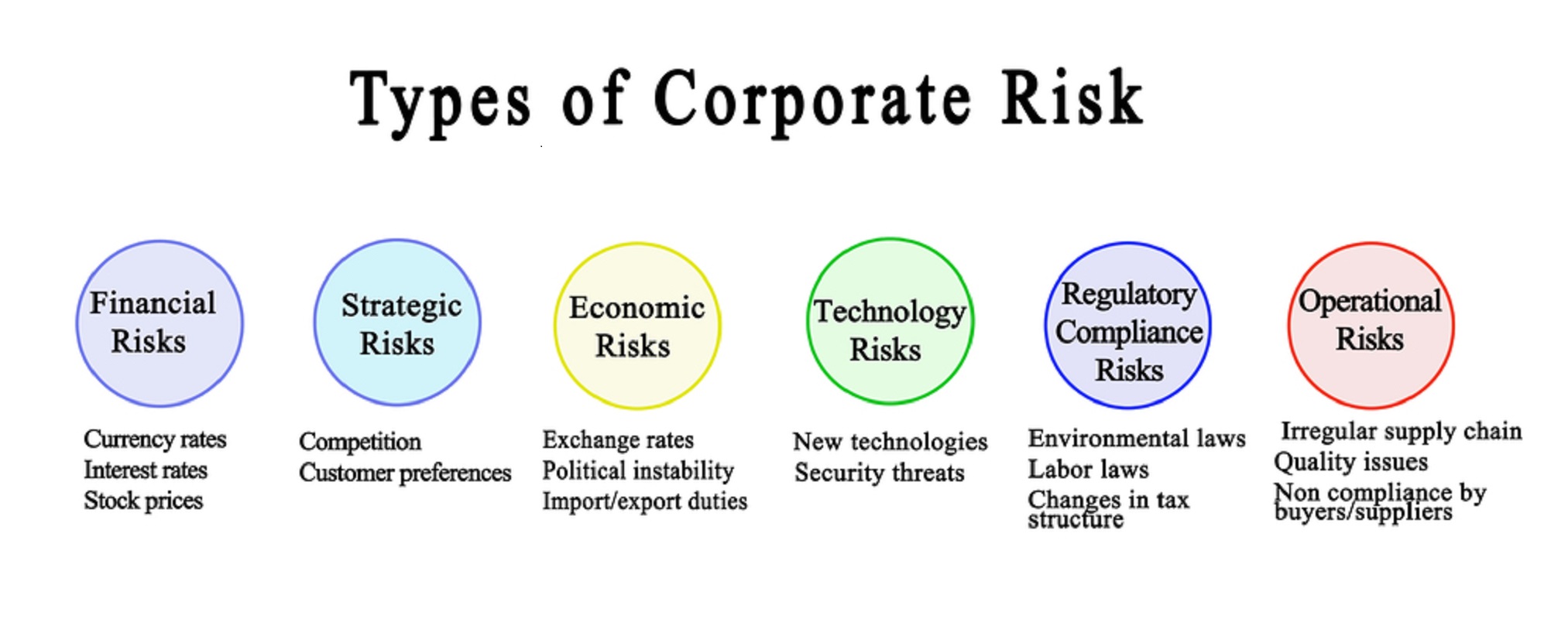
The Cyber Van Robo Taxi is pushing the envelope on self-driving regulations, but it remains unclear if it will meet the stringent legal requirements needed for public roadways. Different countries and even U.S. states have varying rules for autonomous vehicles, and Tesla has not disclosed how it will navigate this complex landscape. Until these regulatory issues are addressed, mass deployment may remain stalled.
High Cost of Production
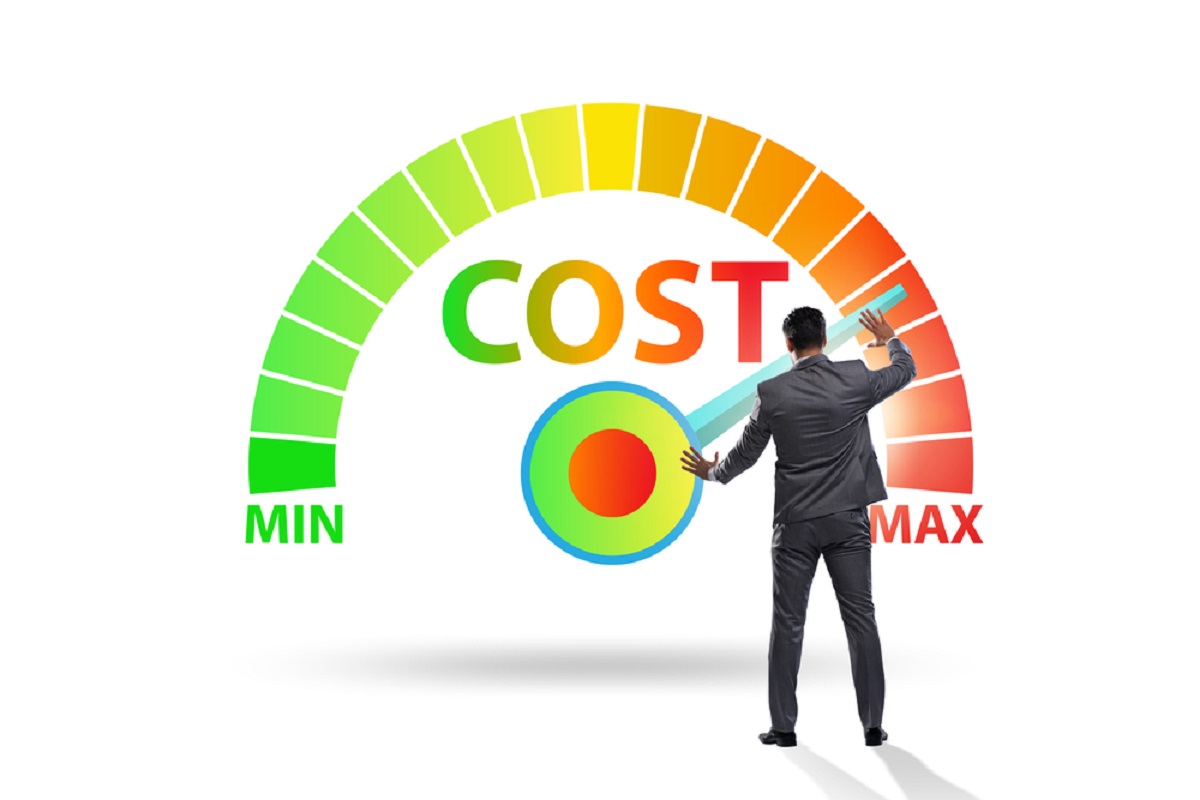
Although Tesla aims to make autonomous travel accessible, early projections suggest the Cyber Van could come with a hefty price tag. The combination of advanced AI, sensors, and luxury finishes may make the vehicle too expensive for widespread fleet adoption. This raises concerns about affordability and whether the model will truly democratize transportation.
Ethical Dilemmas in AI Decision-Making

Autonomous vehicles must make split-second decisions in complex situations, and critics are questioning how Tesla’s AI will handle ethical dilemmas. For instance, in an unavoidable collision, how does the AI choose between outcomes involving potential harm? The lack of transparency on how Tesla’s algorithms address these issues continues to fuel ethical concerns.
Related: 13 Insane Ways Active Aerodynamics Are Making Supercars Faster Than Ever
Insufficient Public Testing

Despite Tesla’s claims of extensive simulation testing, many are concerned about the lack of real-world testing involving the Cyber Van. Public trials in varied environments and traffic conditions are critical to ensuring safety. Without sufficient real-world data, trusting the technology becomes a leap of faith.
Related: 11 Genius Eletric Vehicle Hacks That Instantly Boost Your Battery Range
Cybersecurity Risks

As a highly connected vehicle, the Cyber Van is potentially vulnerable to hacking and data breaches. Security experts have raised concerns about the implications of compromised software in a vehicle without human controls. Robust cybersecurity measures will be vital to gain consumer trust.
Related: 11 Honda Ridgeline Secrets That Will Instantly Upgrade Your Ride
Limited Passenger Customization
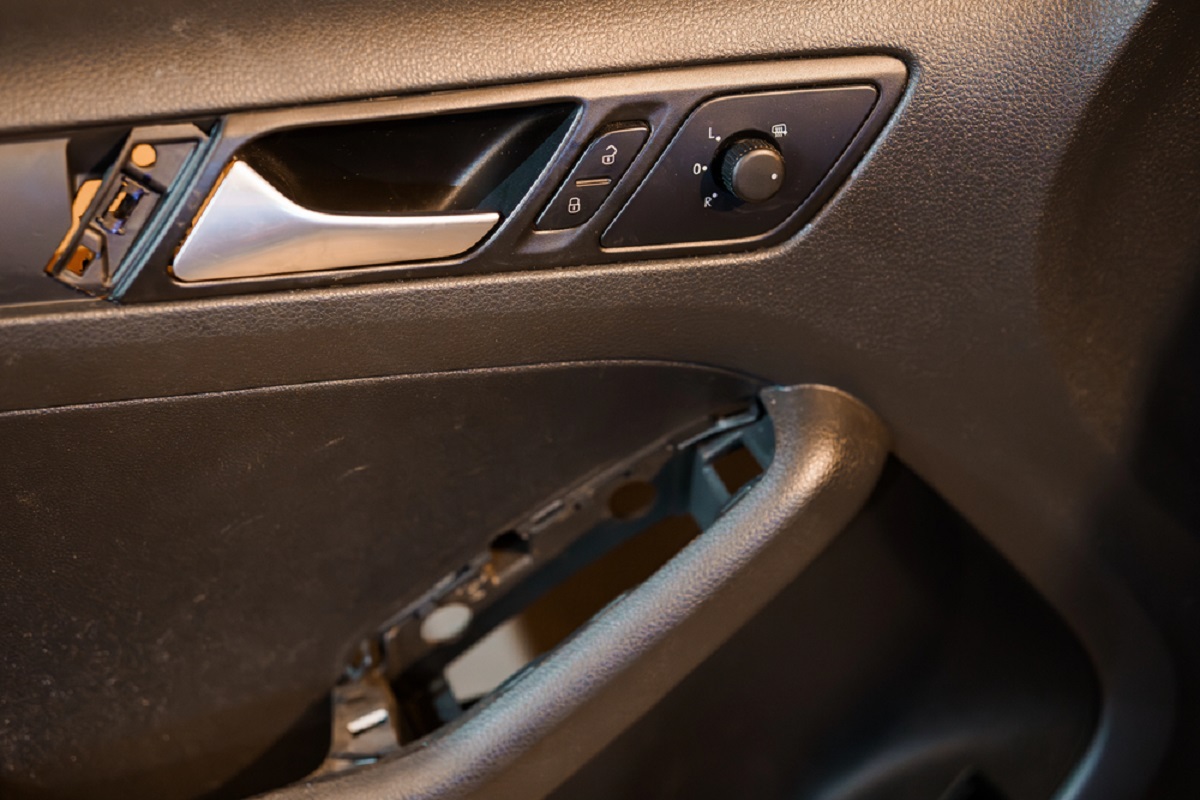
Reports suggest the Cyber Van offers limited options for passenger comfort and customization. In a service-oriented model like robo-taxis, user experience should be a priority, and a one-size-fits-all approach could deter riders. Passengers may feel alienated if the ride doesn’t adapt to their individual needs.
Related: 12 Reasons Why More Car Lovers Are Switching To Hybrid Vehicles
Range and Charging Infrastructure
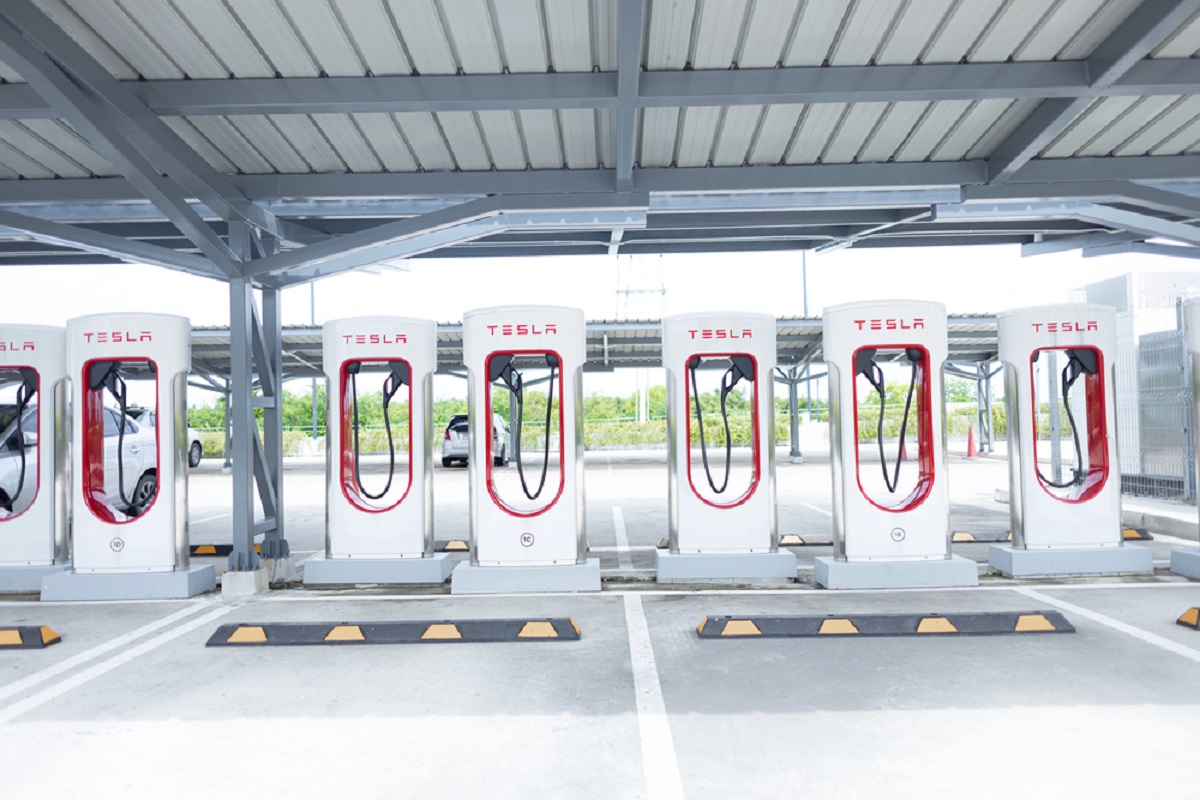
While Tesla is a leader in electric vehicle innovation, questions remain about the range of the Cyber Van, especially under full passenger load. The current charging infrastructure may not support the needs of a high-volume robo-taxi fleet. Ensuring operational efficiency without sacrificing availability will be a major challenge.
Related: 13 Mind-Blowing Battery Innovations That Will Kill The Gas Pump Forever
Ambiguity in Emergency Protocols

In the event of accidents, malfunctions, or other emergencies, it’s unclear how the Cyber Van will respond without a human driver. The lack of a visible emergency override or failsafe is raising alarms about passenger safety. Clear and tested protocols are essential for building confidence in autonomous services.
Related: 14 Shocking Truths Behind the Sudden Revival of Budget-Friendly Compact Cars
Impact on Employment

The success of robo-taxis could disrupt millions of driving jobs globally. Critics argue that Tesla has not adequately addressed how it plans to mitigate the economic and social impact of such widespread displacement. Ethical deployment should consider not just innovation but its broader societal consequences.
Related: 11 Shocking Differences Between Hybrids And Plug-in Hybrids You Need To Know Before Buying
Questionable Design Choices
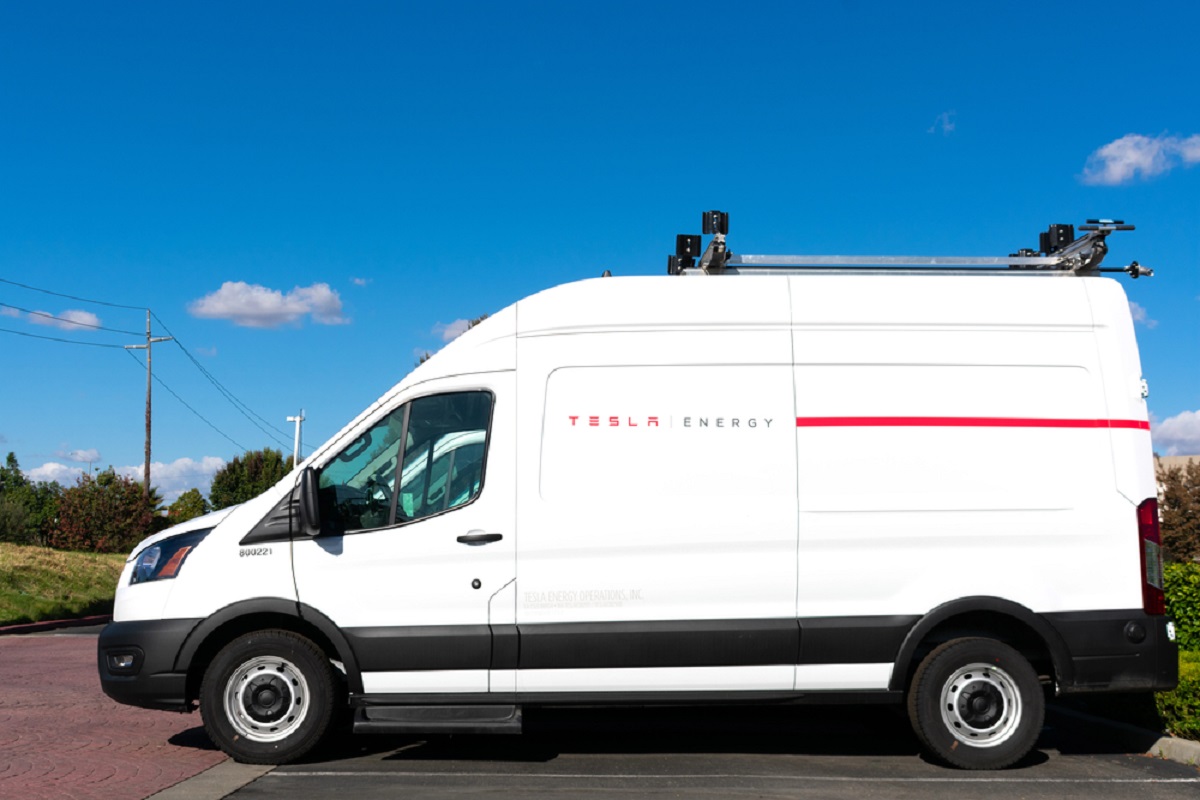
The angular, futuristic design of the Cyber Van may look sleek but raises questions about practicality and user-friendliness. Critics point to potential visibility issues and a lack of conventional safety features. Aesthetic appeal must be balanced with function and safety.
Related: 12 Shocking Ways Small SUVs Are Making Sedans Obsolete
In conclusion, while the Tesla Cyber Van Robo Taxi represents a bold leap into the future of transportation, it brings with it a host of pressing questions. From technical feasibility to ethical considerations, the road ahead is filled with obstacles that demand careful navigation. The excitement surrounding innovation must be tempered with realistic expectations and robust public discourse. For this vision to become a reality, Tesla will need to address each of these concerns with transparency and accountability.
Disclaimer: This list is solely the author’s opinion based on research and publicly available information.
12 Lucid, Rivian, And Tesla Models With Insane Battery Ranges You Need To See
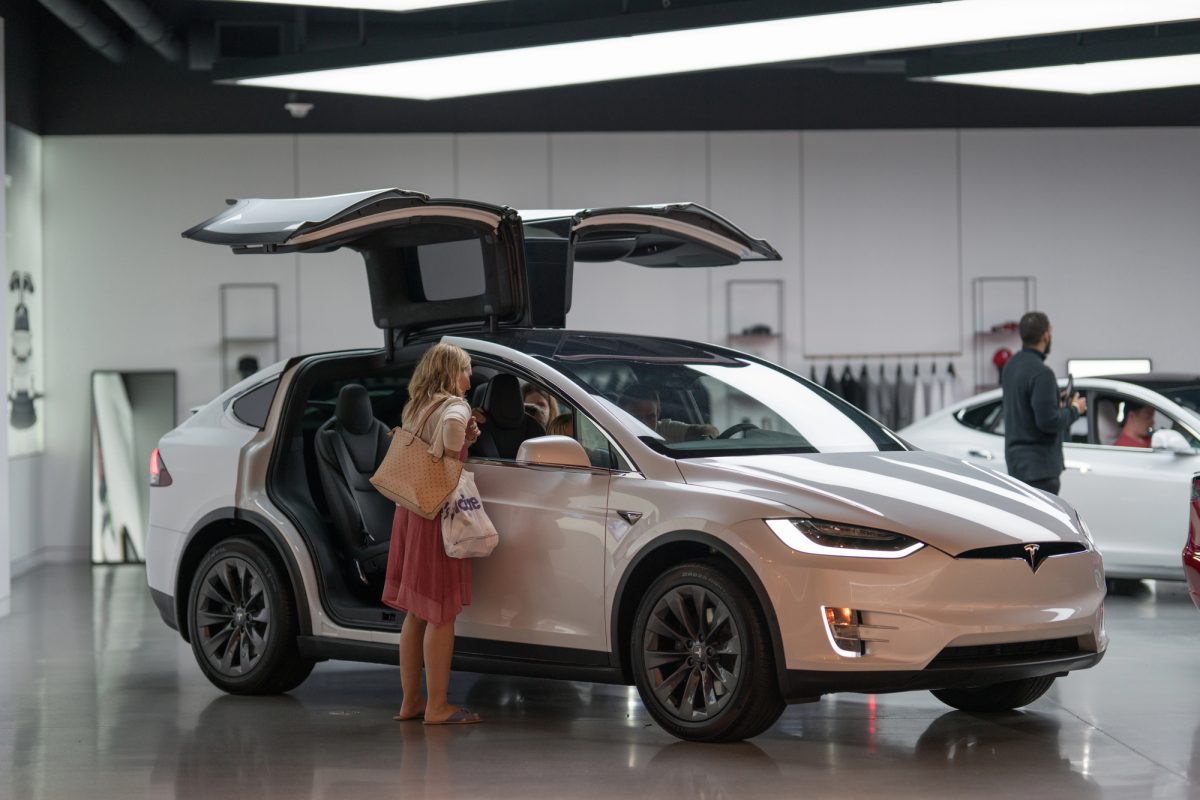
Electric vehicle (EV) technology is advancing rapidly, with automakers pushing the limits of battery efficiency and range. Lucid, Rivian, and Tesla are at the forefront, producing EVs that challenge traditional gas-powered cars in terms of distance per charge. These brands have developed models with incredible battery ranges, making range anxiety a thing of the past. Here are 12 Lucid, Rivian, and Tesla models with insane battery ranges that you need to see.
Read it here: 12 Lucid, Rivian, And Tesla Models With Insane Battery Ranges You Need To See
12 Tesla Red Flags That Are Making Buyers Jump Ship

Tesla has been a pioneer in the electric vehicle industry, but not everything about the brand is smooth driving. While the company continues to push innovation, concerns about quality control, pricing, and customer service are making some buyers rethink their decisions. Issues ranging from build inconsistencies to software glitches have raised serious red flags for potential owners. Here are 12 reasons why some Tesla buyers are jumping ship.
Read it here: 12 Tesla Red Flags That Are Making Buyers Jump Ship
15 Futuristic Car Innovations That Prove Tesla Is Playing a Different Game

The automotive world has seen some jaw dropping innovations over the years, but few have shaken up the industry quite like Tesla’s Cybertruck. Love it or hate it, this futuristic beast has redefined expectations, pushing boundaries in design, technology, and performance. But Tesla isn’t alone automakers worldwide have introduced game changing advancements that are making cars smarter, safer, and more efficient. Here are 15 of the most mind-blowing car innovations, including the ones that helped make Tesla’s Cybertruck an unstoppable force.
Read it here: 15 Futuristic Car Innovations That Prove Tesla Is Playing a Different Game
You’ll love these related posts:
- 11 Anti-Theft Features That Could Save Your Car From Being Stolen
- 12 Genius Reasons Rear Seat Passenger Detection Is Now A Must-Have
- 11 Reasons Massaging Seats And Smart Climate Control Are Blowing Up Right Now
- 11 Awesome Reasons Why Automakers Are Turning Car Interiors Into High Tech Lounges
- 14 Greatest Cars Ever Made In Brazil