Electric vehicle (EV) startups are revolutionizing the auto industry with innovative approaches that challenge established car manufacturers. These startups are not just offering electric alternatives but redefining the driving experience with cutting-edge technology, sustainability, and business models that leave traditional automakers struggling to keep up. With fresh ideas and an agile mindset, they are accelerating change at an unprecedented rate. Here are 12 ways EV startups are outpacing traditional car companies.
Faster Innovation Cycles

EV startups embrace rapid innovation, bringing new models and updates to market much faster than legacy automakers. Traditional companies are weighed down by bureaucracy and lengthy production timelines, making it difficult for them to adapt quickly. Startups operate with agility, iterating on designs and incorporating customer feedback in record time. This speed gives them a significant edge in meeting consumer demands.
Direct-to-Consumer Sales Model

Unlike traditional automakers, EV startups bypass dealerships and sell directly to consumers. This approach reduces costs, simplifies the buying process, and allows for better customer engagement. By eliminating the middleman, startups like Tesla and Rivian can offer competitive pricing and a seamless shopping experience. Traditional automakers struggle to adapt to this model due to their longstanding dealer networks.
Cutting-Edge Battery Technology

Startups are leading the way in battery innovation, developing longer-lasting, more efficient, and faster-charging battery systems. Companies like Lucid Motors and QuantumScape are pioneering solid-state and high-energy-density batteries. These advancements give EV startups a major performance advantage over legacy automakers relying on older lithium-ion technology. Traditional companies are investing heavily in catching up, but startups continue to push the boundaries.
Software-First Approach

EV startups treat cars like software-driven devices, prioritizing over-the-air (OTA) updates and advanced AI integrations. Traditional automakers are slow to adopt this approach, relying on outdated systems that require dealership visits for updates. Startups like Tesla continuously improve vehicle performance, safety, and features through OTA updates, ensuring cars stay ahead of the curve. This tech-driven strategy sets them apart from legacy brands still adjusting to digital transformation.
Related: 14 Of Bertone’s Most Stunning And Iconic Car Designs
Sustainable Manufacturing

Environmental consciousness is a core principle for many EV startups, influencing their manufacturing processes. Companies like Fisker and Aptera use recycled materials, solar panels, and eco-friendly production methods. Traditional automakers, with their legacy supply chains, struggle to pivot toward sustainable practices. The focus on green production gives startups a strong appeal to environmentally conscious consumers.
Related: 13 Stunning Classic Cars With Clamshell Bonnet Designs
Focus on Minimalist and Futuristic Designs
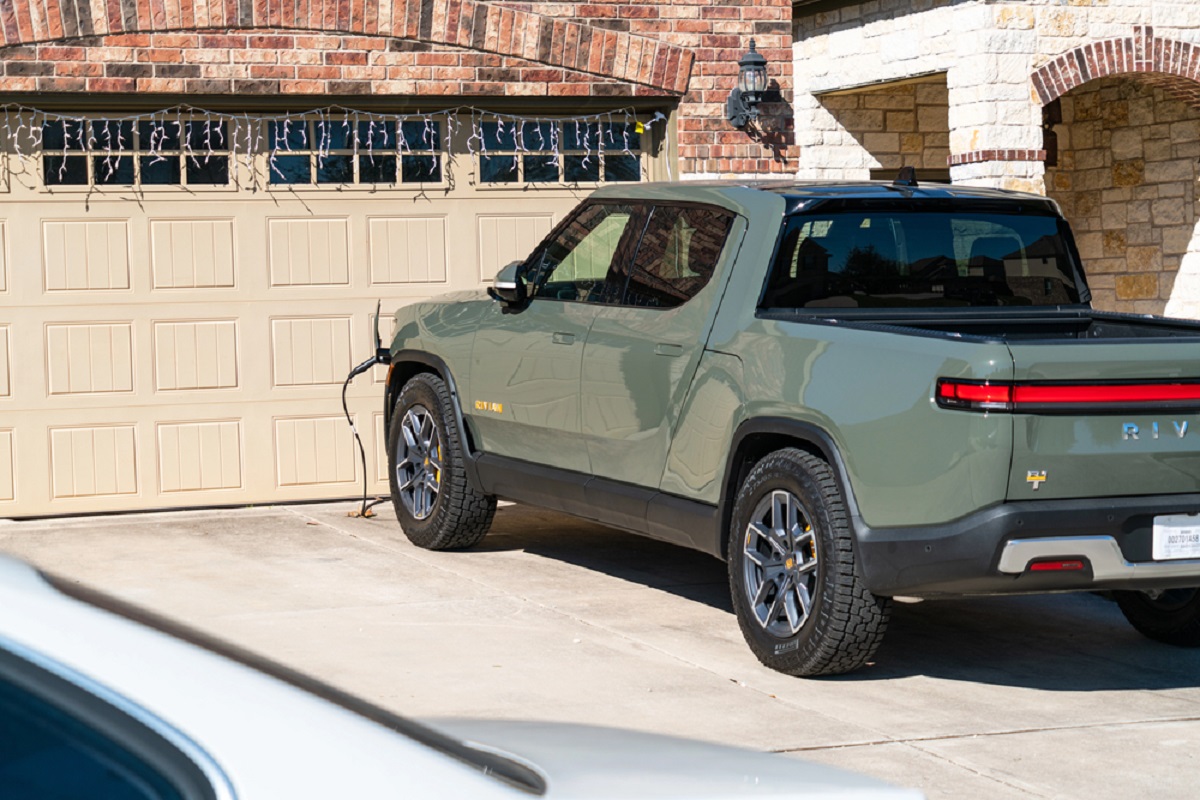
Many EV startups prioritize sleek, modern designs that contrast with traditional automakers’ reliance on legacy styling. Companies like Canoo and Rivian design futuristic, user-centric vehicles that stand out. Traditional brands often play it safe, catering to conventional tastes rather than pushing design boundaries. The unique aesthetics of EV startups attract a new generation of tech-savvy buyers.
Related: 13 Vintage RVs That Still Look Incredible Today
Greater Customization Options

EV startups offer a high degree of customization, allowing buyers to personalize their vehicles extensively. From unique paint colors to specialized software settings, customers get more control over their car’s features. Traditional automakers often limit customization due to complex supply chains and production constraints. This personalized approach resonates with modern consumers seeking individuality in their purchases.
Related: The Best And Worst Cars In 007 History
Improved Charging Infrastructure Investments

While traditional car companies rely on third-party charging networks, EV startups invest directly in proprietary charging solutions. Tesla’s Supercharger network and Rivian’s Adventure Network provide exclusive, fast, and reliable charging for their users. This direct investment enhances customer loyalty and convenience, giving startups an infrastructure advantage. Legacy automakers are playing catch-up by partnering with existing networks but lack proprietary solutions.
Related: 12 American Cars That Redefined Innovation
Lower Operating Costs

EV startups focus on efficiency, designing vehicles with fewer moving parts and lower maintenance needs. Legacy automakers often rely on extensive dealer service networks, which add to long-term ownership costs. Startups like Aptera promote ultra-efficient designs that further reduce energy consumption. The promise of lower total ownership costs makes EV startups more attractive to budget-conscious buyers.
Related: 11 Brilliant Flat-6 Cars That Sound As Good As They Drive
Advanced Driver Assistance Systems (ADAS)

Startups are pioneering cutting-edge autonomous driving features, surpassing traditional automakers in self-driving advancements. Tesla’s Full Self-Driving (FSD) beta and Rivian’s Driver+ system showcase AI-driven driving capabilities. Legacy automakers struggle to develop competitive systems, often lagging behind due to outdated hardware and regulatory concerns. The aggressive development of ADAS technology gives startups a strong technological advantage.
Related: 14 Fascinating Fiat Cars That Never Made It to Showrooms
Agile Production and Scalability

Without the burden of legacy factories, EV startups can design production facilities tailored to modern vehicle assembly. Companies like Rivian and Lucid have built state-of-the-art factories with efficiency in mind. Traditional automakers, constrained by decades-old plants, face costly and slow adaptation processes. The streamlined production of startups leads to faster rollouts and lower costs.
Related: 13 Vintage RVs That Will Blow Your Mind
Stronger Brand Identity and Cult-Like Following

EV startups cultivate strong brand identities that resonate deeply with passionate communities. Tesla’s fan base, for instance, operates more like a movement than a customer base. Traditional automakers, often tied to historical brand images, struggle to generate similar excitement. The loyalty and enthusiasm surrounding EV startups contribute to their rapid growth and industry disruption.
Related: 14 Stunning Vintage Cars That Had Rear-Hinge Doors
EV startups are reshaping the automotive landscape with innovation, sustainability, and bold business strategies. Their ability to move fast, adapt, and cater to modern consumer demands puts traditional car manufacturers at a disadvantage. With superior technology, efficient production, and unique sales models, they continue to outpace legacy automakers. As the industry evolves, these startups are proving that the future of transportation belongs to the pioneers willing to break the mold.
Disclaimer: This list is solely the author’s opinion based on research and publicly available information.
The Future of Electric Pickup Trucks: What’s Coming Next

Electric pickup trucks are advancing with greater range, power, and efficiency. Automakers are investing heavily in electrification, driving innovation in performance, technology, and sustainability. From next-gen batteries to enhanced towing, these trucks will redefine electric driving. Here are some key developments shaping their future.
Read it here: The Future of Electric Pickup Trucks: What’s Coming Next
12 Biggest Challenges Facing Electric Cars That No One Talks About

Electric vehicles (EVs) are often seen as the future of transportation, but they still face significant hurdles that many people overlook. While EV technology continues to advance, there are hidden challenges related to infrastructure, performance, and consumer adoption. These challenges affect everything from charging accessibility to battery longevity and even supply chain issues. Understanding these lesser known obstacles is crucial for the future success of electric cars.
Read it here: 12 Biggest Challenges Facing Electric Cars That No One Talks About
What’s Fueling the Rising Violence Against Tesla Vehicles?

Tesla vehicles have become a symbol of technological innovation, luxury, and environmental consciousness, yet they have also become targets of rising vandalism and hostility. Incidents of keying, tire slashing, and even outright attacks on Tesla owners have increased, raising concerns about the motivations behind these acts. While Tesla remains a leader in the EV market, the brand’s association with wealth, tech elitism, and automation has fueled resentment in some circles.
Read it here: What’s Fueling the Rising Violence Against Tesla Vehicles?
You’ll love these related posts: