Car paint has always been prone to scratches, swirl marks, and environmental wear, but that’s changing. Advances in nanotechnology, polymers, and smart coatings are making self-healing paint a reality. From heat activated finishes to UV responsive coatings, automakers are developing solutions to keep cars looking new. Here are 13 self healing paint technologies that could transform vehicle maintenance.
Thermoplastic Polymers

These special polymers can “flow” when exposed to heat, filling in small scratches. As the temperature rises, the material softens and reforms itself. Commonly used in high-end coatings, it offers lasting protection. This technology helps keep a car’s paint looking flawless.
Microcapsule-Based Paint

This paint contains tiny capsules filled with healing agents that break open upon damage. When a scratch occurs, the capsules release liquid resin to fill the gap. The process mimics the way human skin heals itself. It’s a promising solution for long-term durability.
UV-Activated Healing Paint

Some paints use ultraviolet (UV) light to trigger a self-repairing reaction. When exposed to sunlight or artificial UV light, minor scratches fade away. This technology reduces the need for constant touch ups. It’s especially useful for regions with intense sunlight.
Nano-Coating with Shape Memory Polymers
These coatings contain shape-memory polymers that return to their original form with heat. A scratch or dent can disappear by simply using warm water or sunlight. The coating retains its original structure, preventing permanent damage. Luxury car brands are already testing this tech.
Heat-Responsive Polyurethane Coatings

Polyurethane based self healing paints react to heat sources like warm air or hot water. The molecular structure realigns to repair scratches automatically. Some coatings can restore their smoothness within minutes. This makes minor scuffs a thing of the past.
Electroactive Polymer Paint

Electroactive materials repair themselves when an electric current passes through them. The energy triggers the molecular bonds to reform, closing scratches. This tech is still in development but holds great potential. It could be activated via a car’s battery system.
Moisture-Activated Healing Paint

This innovative paint formula repairs itself when exposed to humidity or rain. Water triggers the healing compounds, allowing minor imperfections to vanish. It works well in humid climates where moisture is readily available. The constant self-repair helps maintain a fresh look.
Hydrogen-Bonding Polymers
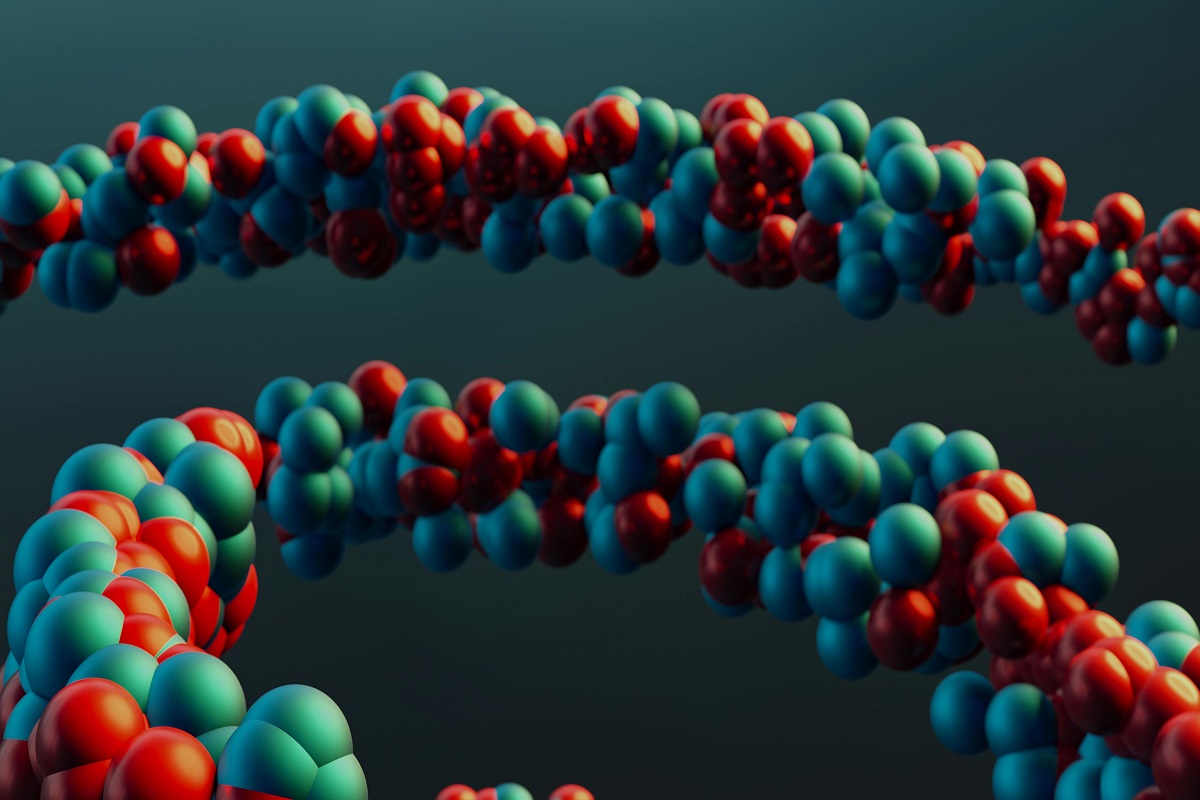
Hydrogen bonding allows paint molecules to reconnect after damage. Unlike traditional paints, these polymers form reversible chemical bonds. This means a scratch can be repaired simply by applying pressure or warmth. It’s a low-maintenance, self-repairing solution.
Ceramic-Based Self-Healing Paint
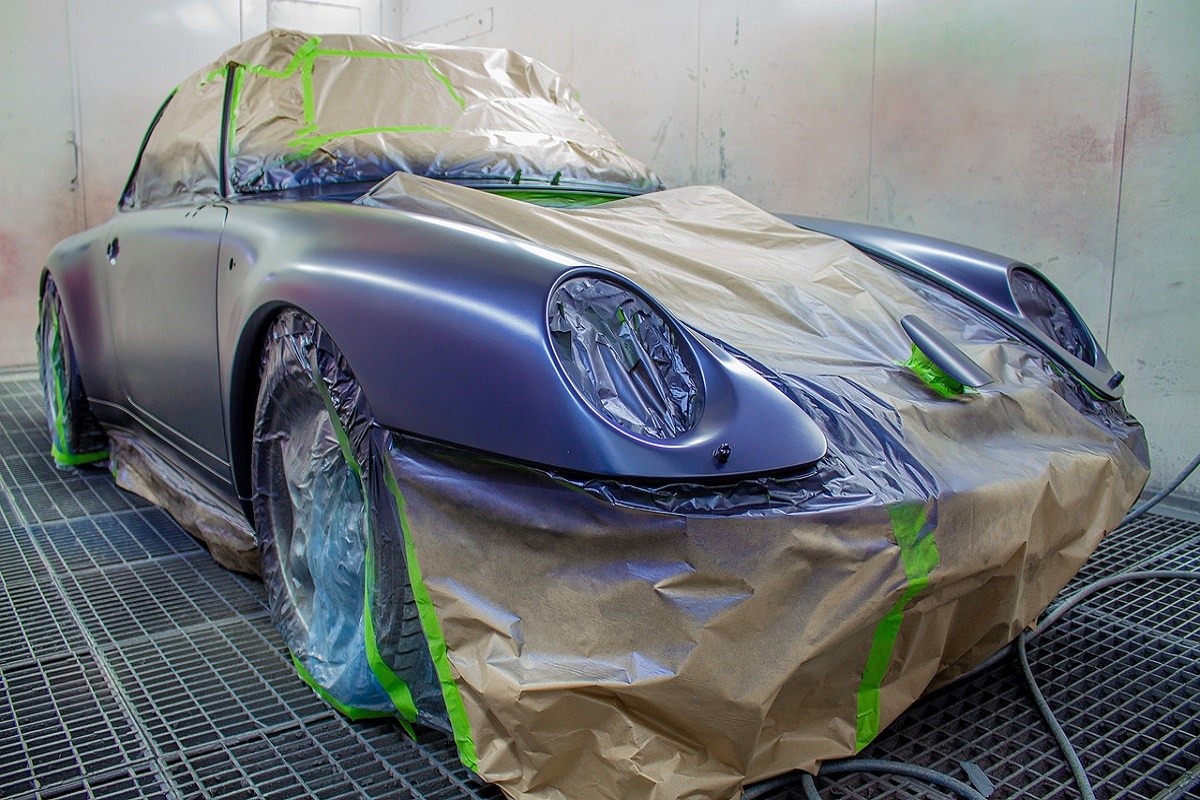
Ceramic coatings infused with self-repairing technology provide a scratch resistant barrier. Heat or friction triggers microscopic repairs, keeping the surface smooth. These coatings also offer excellent UV protection and hydrophobic properties. Many high end cars already feature ceramic based protection.
Bio-Inspired Healing Coatings
Inspired by natural processes like skin regeneration, this paint mimics organic healing. Special polymers react to environmental changes, gradually erasing minor damage. The technology is modeled after nature’s ability to repair itself. It’s one of the most sustainable approaches to self healing paint.
Dual-Layer Healing Systems
Some manufacturers use a two layer paint system where the outermost layer heals over time. The topcoat contains microcapsules that release restorative compounds upon impact. This allows scratches to fade without additional treatment. It ensures long term durability.
Pressure-Sensitive Self-Healing Paint

This type of paint repairs itself when subjected to slight pressure. Rubbing the affected area activates the healing process, closing minor scratches. The formula is designed for easy maintenance and longevity. It’s an excellent solution for everyday wear and tear.
High-Elasticity Paints

These flexible coatings prevent scratches by absorbing impact forces. Instead of breaking, the paint stretches and returns to its original state. This technology reduces chipping and flaking over time. It works particularly well for off road and high-performance vehicles.
Self-healing car paint is no longer just science fiction, it’s rapidly becoming a reality. As technology advances, these coatings will make car maintenance easier and more cost-effective. Soon, minor scratches and swirl marks will be a thing of the past.
Disclaimer: This list is solely the author’s opinion based on research and publicly available information.