Driving a manual car can feel intimidating at first, especially if you’re worried about stalling in the middle of traffic. But with the right tips and plenty of practice, shifting gears and controlling the clutch can become second nature. Manual cars offer a deeper connection to driving and can make you feel more in control of your vehicle. If you’re ready to master manual driving with confidence, these 10 secrets will make your learning journey smoother and less stressful.
Start on Flat Ground
Always begin your manual driving journey on a flat, open area where you won’t feel pressure from traffic or inclines. Flat roads make it easier to get a feel for the clutch and gas without the added challenge of rolling backward. With fewer distractions, you can focus on building smooth coordination between your feet and the car’s response.
Master the Clutch Bite Point
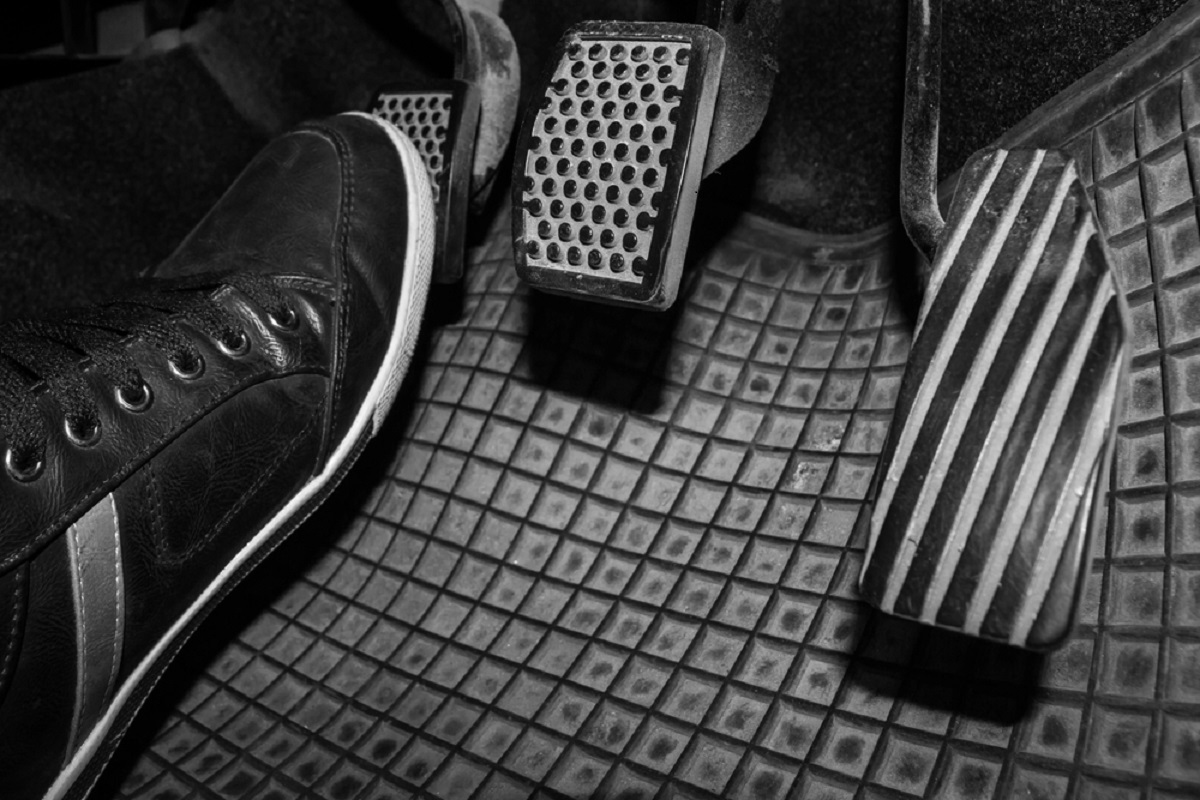
Use Your Handbrake on Hills
The bite point is crucial, this is where the clutch engages just enough for the car to start moving without stalling. Finding this point involves slowly lifting your foot off the clutch until you feel a subtle vibration or forward pull. Practicing this repeatedly teaches your muscle memory to catch the bite point instinctively during starts and low-speed maneuvers.

Hills can be intimidating, but using the handbrake gives you a third foot, so to speak. Engage it before releasing the clutch, then slowly let it down as you apply gas and find the bite point; this technique stops backward rolling and builds confidence. It’s especially useful when starting uphill in traffic or navigating steep driveways.
Don’t Rush the Gear Changes
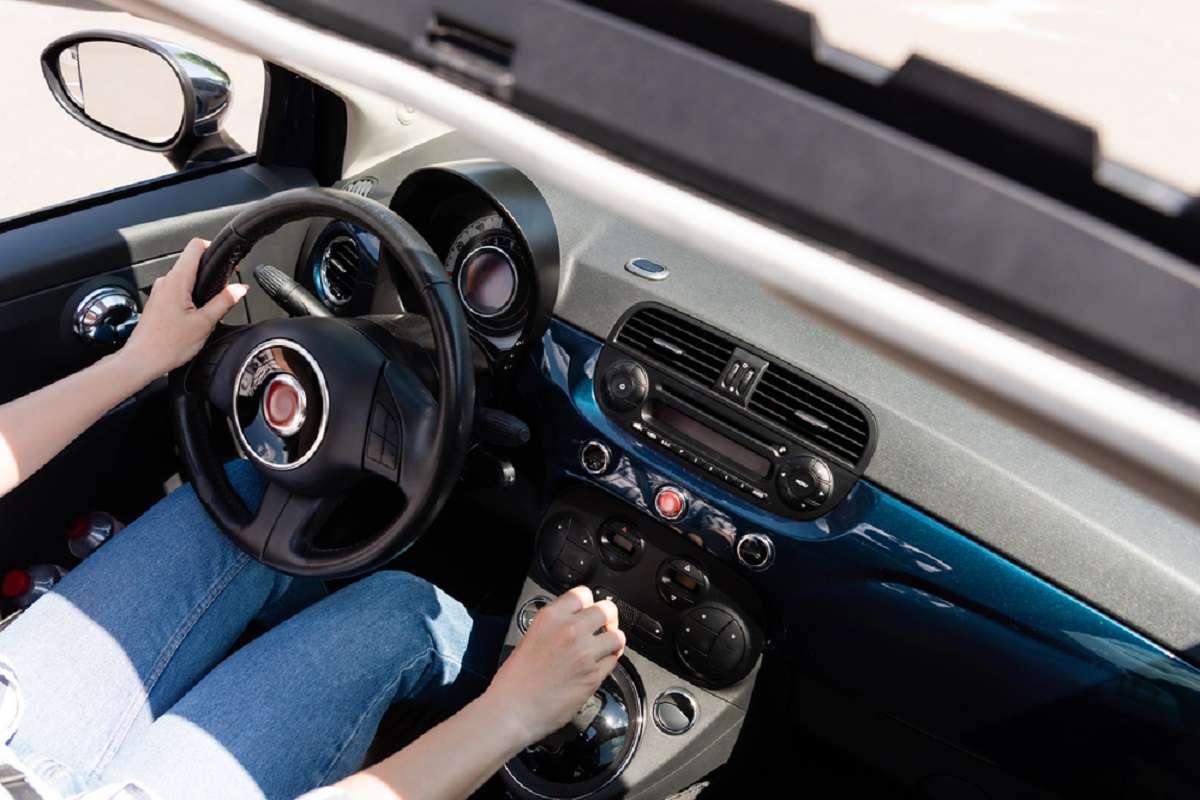
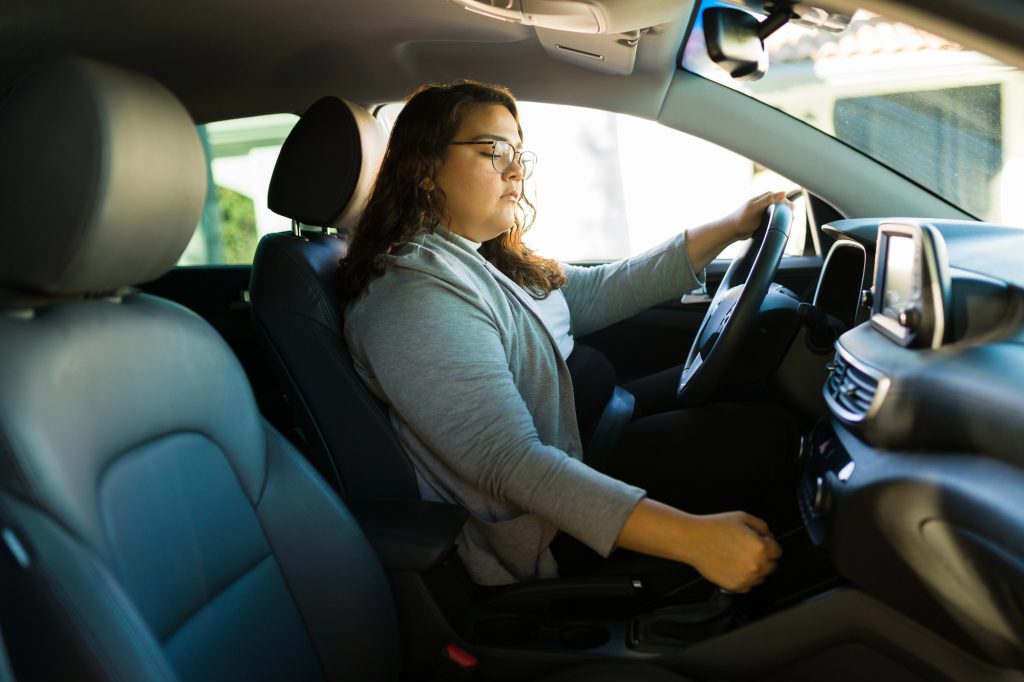
One of the biggest mistakes beginners make is hurrying the gear shift, which can cause jerky transitions or engine stalls. Let the engine settle before pressing the clutch and shifting, and ensure your RPMs are right for the gear you’re moving into. Smooth changes not only improve comfort but also extend the life of your transmission.
Related: 13 Absolutely Genius Bumper Stickers That Are Too Funny to Ignore
Practice Feathering the Clutch
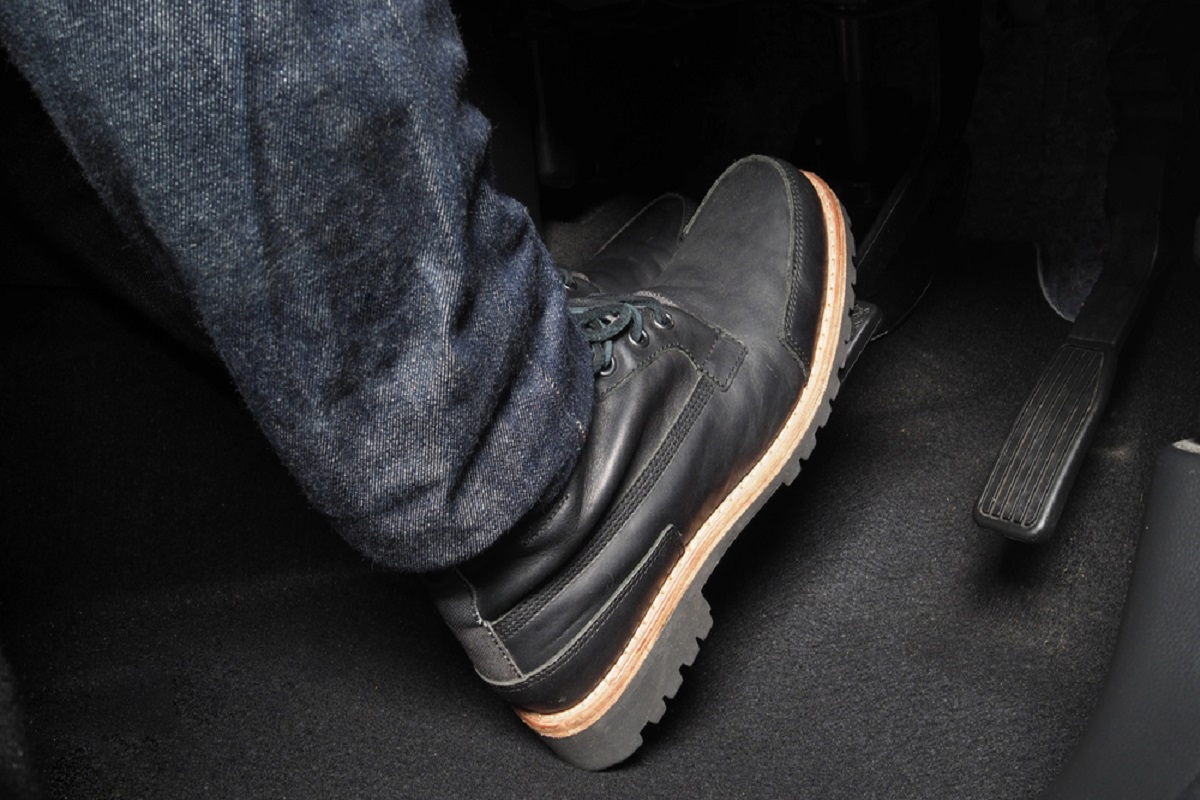
Feathering means using a gentle, partial release of the clutch to control your car’s motion, especially helpful in slow-moving traffic or tight spots. Mastering this skill lets you inch forward smoothly without fully disengaging or engaging the clutch. Over time, it reduces wear on your gearbox and builds confidence in city driving.
Related: 14 Hybrid SUVs That Are Crushing Gas Cars in 2025
Keep Your Revs Balanced

Giving the right amount of gas during a start is essential; too much and you jerk forward; too little and you stall. Most manual cars prefer a rev range between 1,500 to 2,000 RPM for a clean launch. Balancing throttle and clutch release takes practice, but it results in a smoother ride and greater fuel efficiency.
Related: 12 Hidden Compactment in Your Car You Didn’t Know Existed
Downshift Properly
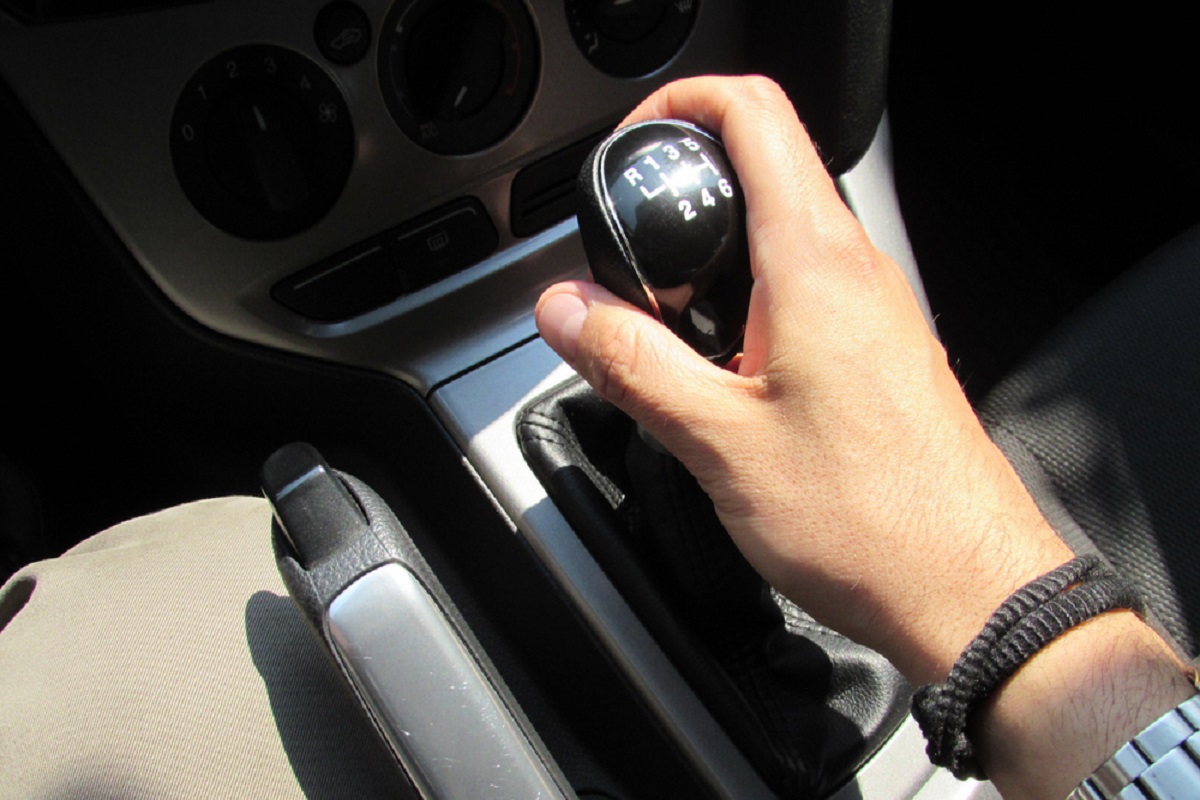
Downshifting isn’t just about slowing down, it’s also about matching the gear to your speed to avoid sudden jerks or stalls. Learn to anticipate when a lower gear is needed and let the clutch out gradually to re-engage the engine smoothly. With experience, you’ll feel more in control during turns, stops, or descents.
Related: 12 Mercedes Models From the 2000s That Were Absolute Game-Changers
Use Neutral When Stopped
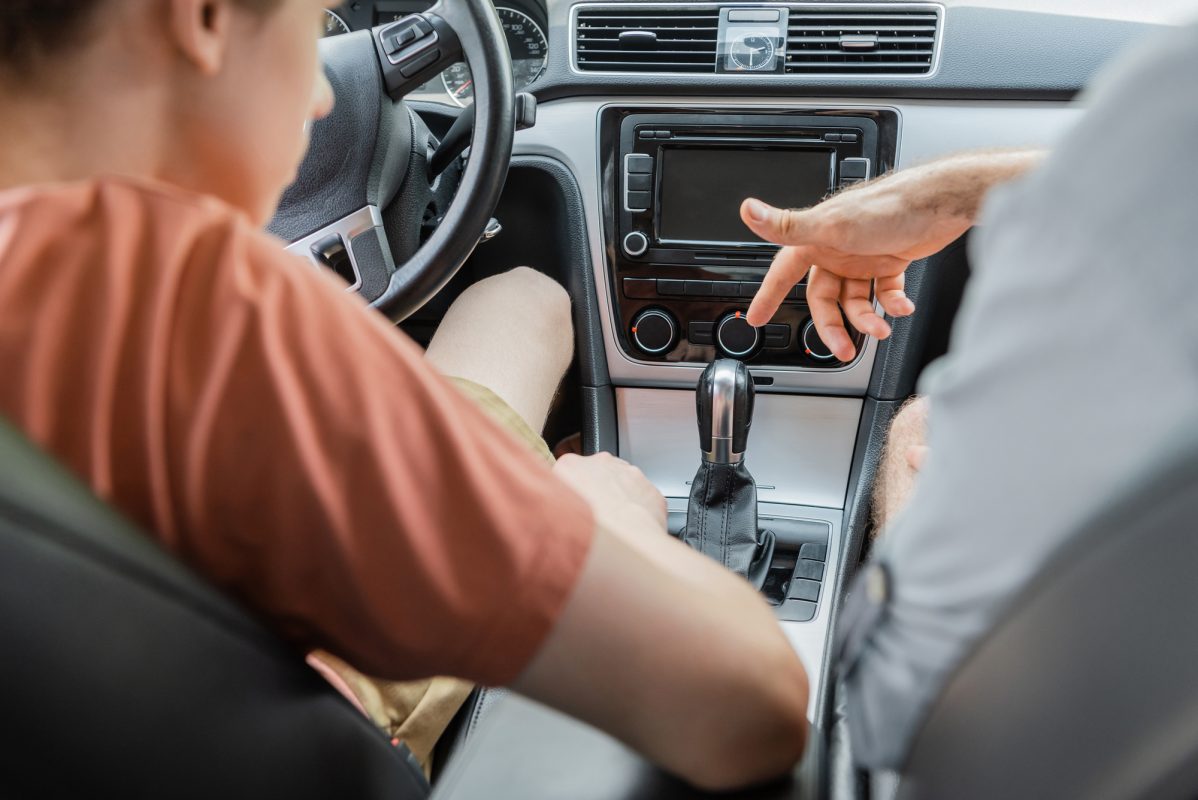
When idling for more than a few seconds, it’s better to shift into neutral and release the clutch to prevent unnecessary strain. Holding the clutch down while waiting at a light can tire your leg and wear down the release bearing. Switching to neutral gives you a mental and physical break, improving overall comfort.
Related: 15 Sci-Fi Movie Cars That Made Every Car Enthusiast Jealous
Give Yourself Room to Practice

Choose wide, quiet roads or empty parking lots where you can practice starts, stops, and shifts without distractions. These low-pressure environments help you build reflexes in a relaxed setting, making it easier to focus on technique. The more you repeat key movements, the more natural they’ll feel in real-world traffic.
Related: 15 Insanely Clever Car Names That Gave Their Owners Bragging Rights
Practice Makes Perfect

The ultimate secret to mastering a manual car is simple: keep practicing. Muscle memory develops through consistent repetition, and the more time you spend behind the wheel, the smoother everything becomes. With regular practice, stalling becomes rare, and driving stick becomes second nature.
Related: 13 Absolutely Ridiculous Car Nicknames That Somehow Make Total Sense
Manual cars may have a learning curve, but they also offer a more rewarding, involved driving experience. Each secret above builds your confidence and sharpens your coordination behind the wheel. With practice, you’ll shift gears smoothly, avoid stalls, and feel proud of your skills. Stick with it, be patient, and enjoy the process of becoming a master of the manual transmission. The freedom of full driving control is well worth the effort.
Disclaimer: This list is solely the author’s opinion based on research and publicly available information.
14 Reasons Manual Transmissions Are Disappearing (And Why Some Drivers Are Fighting Back)

The decline of manual transmissions has been a slow but steady shift in the automotive world, driven by advancements in technology, efficiency concerns, and changing consumer preferences. Despite this, a passionate group of enthusiasts refuses to let manuals disappear without a fight, advocating for their engagement, control, and nostalgic charm. While automakers are phasing out stick shifts in favor of automatic and electric alternatives, the debate over their place in modern vehicles remains strong.
Read it here: 14 Reasons Manual Transmissions Are Disappearing (And Why Some Drivers Are Fighting Back)
11 Shocking Ways You’re Killing Your Manual Car Without Realizing It
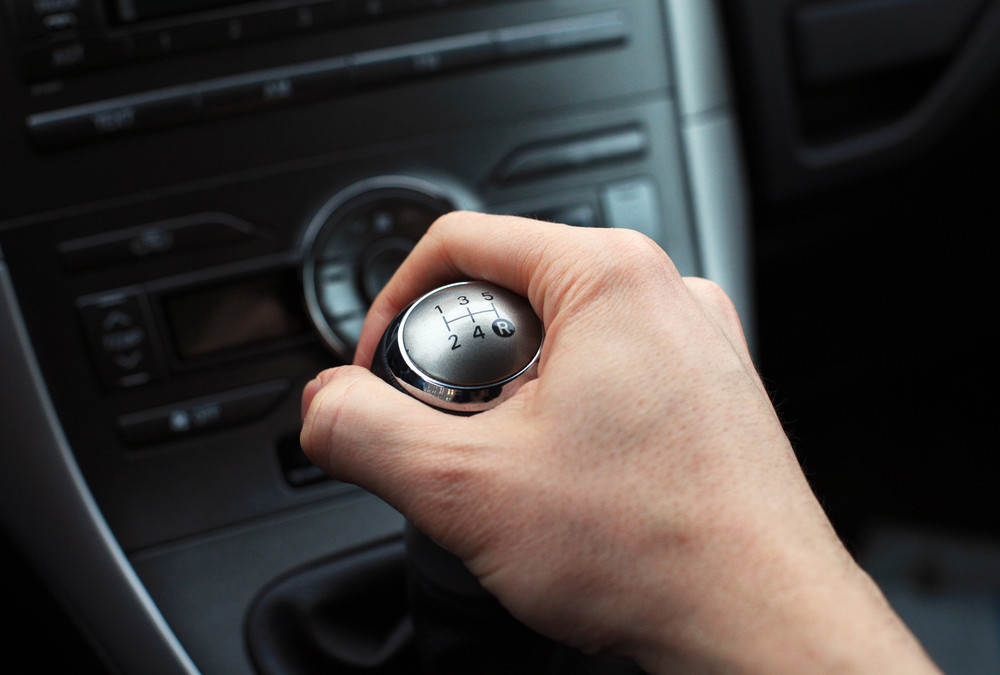
Driving a manual car requires skill, but even experienced drivers can unknowingly cause damage. Many bad habits that seem harmless can lead to excessive wear and costly repairs over time. From improper clutch use to poor maintenance practices, these mistakes can shorten your car’s lifespan. Here are 11 shocking ways you might be ruining your manual car without realizing it.
Read it here: 11 Shocking Ways You’re Killing Your Manual Car Without Realizing It
12 Undeniable Reasons Manuals Will Always Be Better Than Automatics

Despite the growing dominance of automatic transmissions, manual cars still hold a special place in the hearts of driving enthusiasts. They offer a level of control, engagement, and pure driving enjoyment that automatics simply can’t match. From better performance to long-term savings, here are 12 undeniable reasons why manuals will always be the superior choice for those who truly love driving excitement and mechanical connection deeply.
Read it here: 12 Undeniable Reasons Manuals Will Always Be Better Than Automatics