Artificial intelligence is revolutionizing road safety, introducing advanced systems that could drastically reduce vehicle accidents. From predictive analytics to real-time hazard detection, AI-driven innovations are transforming how vehicles operate and interact with their surroundings. These cutting-edge technologies promise to make driving safer, smarter, and more efficient. With AI-powered advancements, the dream of near-zero accidents on the road is becoming a reality.
Predictive Collision Prevention Systems

AI analyzes vast amounts of real-time data from cameras, sensors, and radar to predict potential collisions. It alerts drivers and can autonomously apply brakes or steer away from danger before an accident occurs. By continuously learning from past incidents, these systems improve their accuracy over time, reducing the risk of human error.
AI-Powered Emergency Braking

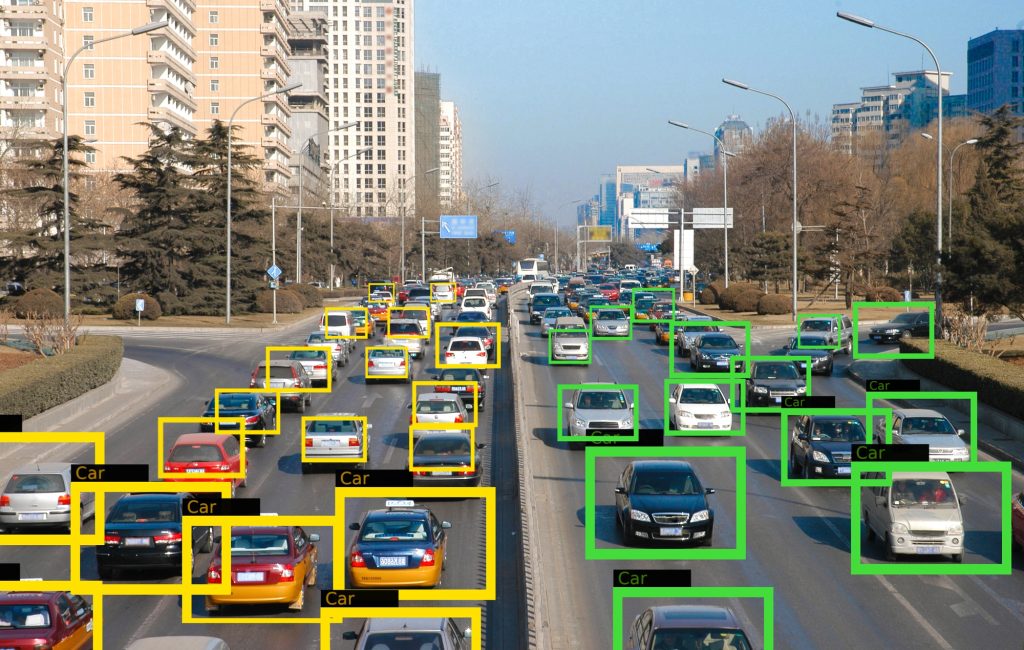
This system detects obstacles in the vehicle’s path and applies brakes automatically if the driver fails to react in time. Using machine learning algorithms, it distinguishes between cars, pedestrians, and other objects to determine the appropriate response. The rapid reaction time of AI significantly reduces impact force and potential injuries.
Intelligent Lane-Keeping Assistance

AI enhances lane-keeping technology by detecting unintentional lane departures and gently steering the vehicle back on track. It adapts to different driving styles and road conditions, providing subtle corrections when necessary. This prevents common causes of accidents, such as drifting due to distraction or drowsiness.
AI-Enhanced Driver Monitoring Systems

These systems use facial recognition and biometric sensors to detect signs of drowsiness or distraction. If a driver exhibits unsafe behavior, AI issues warnings or suggests taking a break. By continuously analyzing driver alertness, these systems help prevent fatigue-related accidents.
Related: 12 Pontiac Cars That Deserved A Come Back
Smart Adaptive Cruise Control
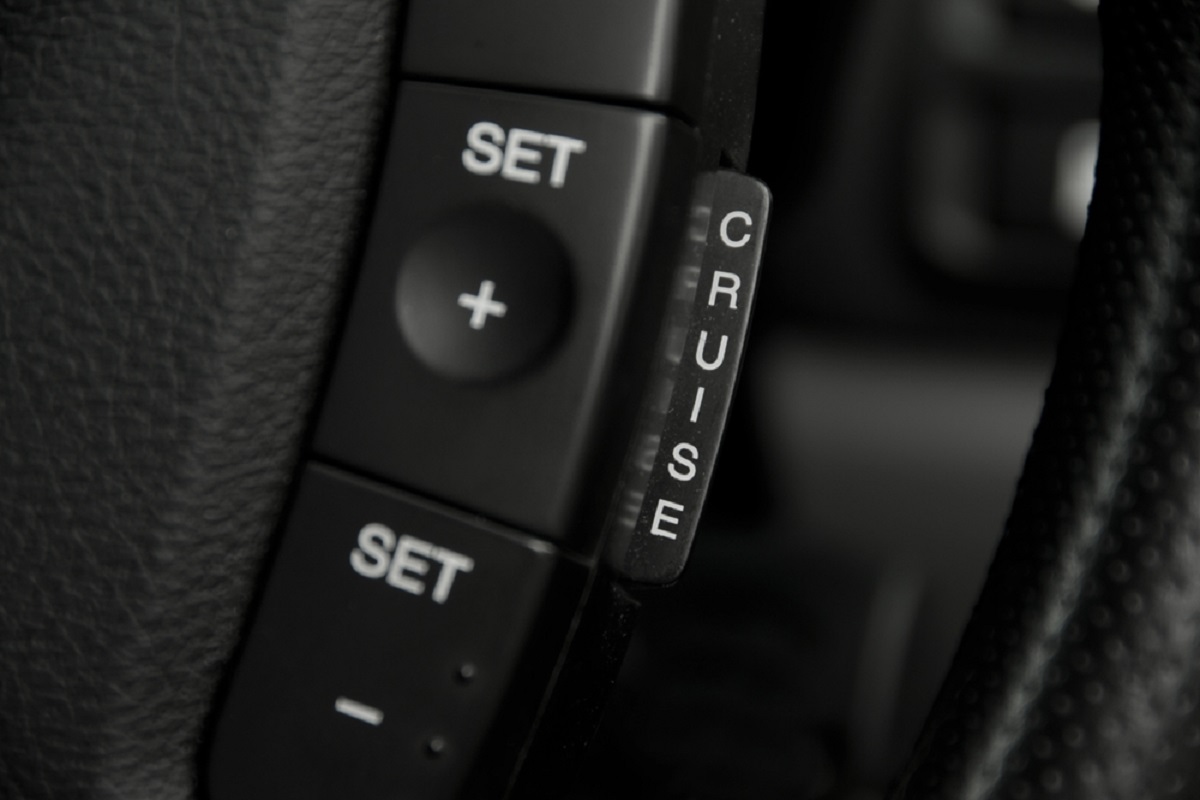
Unlike traditional cruise control, AI-powered adaptive cruise control adjusts speed based on real-time traffic conditions. It maintains safe following distances, slows down when needed, and resumes speed when conditions improve. This reduces rear-end collisions and improves overall traffic flow.
Related: 13 Legendary Porsches That Changed Sports Cars Forever
AI-Based Pedestrian Detection
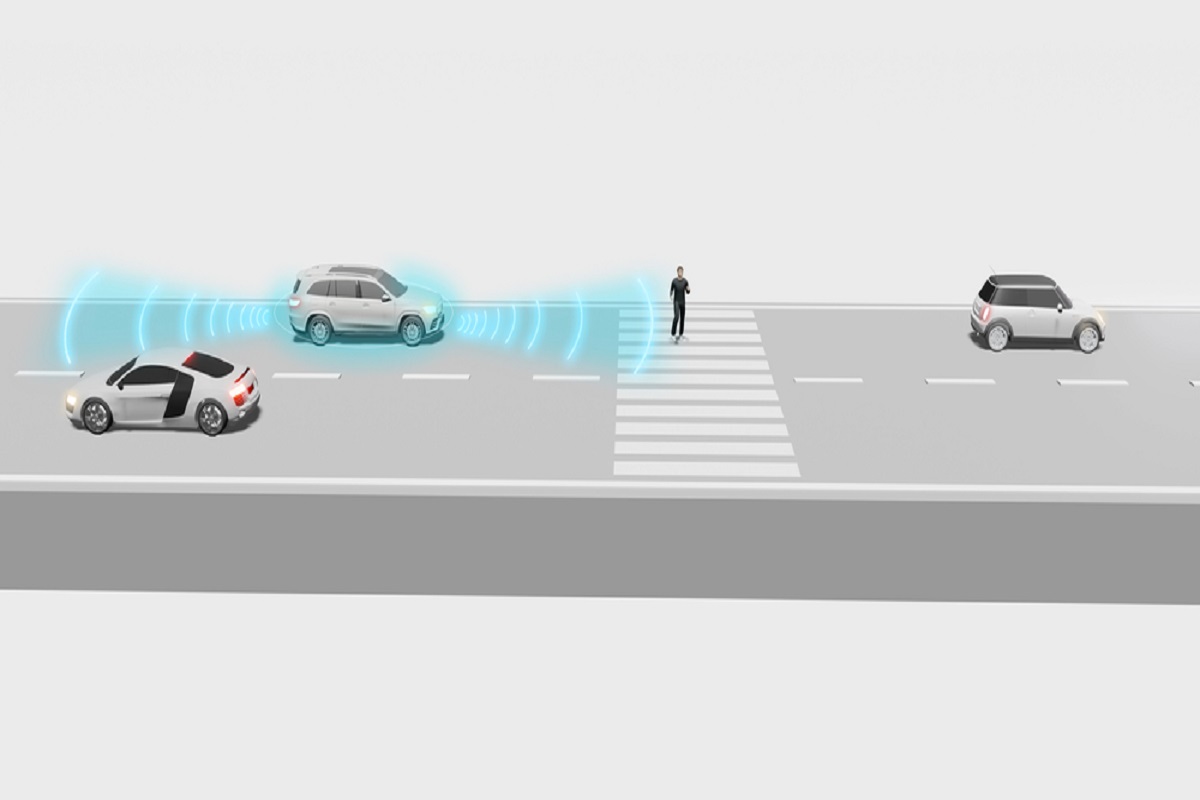
Using deep learning, this system detects pedestrians and cyclists, even in low-visibility conditions. It predicts movement patterns and alerts drivers or applies emergency braking when a potential collision is imminent. This proactive approach enhances safety, especially in urban environments.
Related: 14 Early V8-Powered Cars That Changed Automotive History
Real-Time Road Hazard Detection

AI systems process live traffic data and recognize hazards such as debris, potholes, or stalled vehicles ahead. They alert drivers and, in autonomous vehicles, adjust the driving path accordingly. This minimizes sudden swerving and panic braking that can lead to accidents.
Related: The 12 Most Insane Four-Cylinder Trucks of 2025
Intelligent Traffic Light Optimization

AI integrates with city traffic systems to optimize signal timings, reducing congestion and accident-prone intersections. It adapts to real-time traffic patterns, ensuring smoother traffic flow. Fewer abrupt stops and unexpected signal changes lead to safer driving conditions.
Related: 12 F1 Drivers Who Will Dominate the 2025 Australian GP
AI-Controlled Blind Spot Monitoring

AI enhances blind spot monitoring by tracking nearby vehicles and issuing precise alerts when changing lanes is unsafe. Unlike traditional systems, AI considers speed, trajectory, and potential driver intent before issuing a warning. This prevents side-swipe collisions caused by unseen vehicles.
Related: 11 Porsche Features That Will Make You Want One
AI-Powered Vehicle-to-Vehicle Communication

By enabling vehicles to share real-time data, AI allows cars to anticipate the actions of other drivers. If a nearby car brakes suddenly, AI systems can preemptively slow down to prevent rear-end crashes. This interconnected driving network drastically improves roadway safety.
Related: 12 Chrysler Powerhouses That Redefined Muscle And Performance
Autonomous Emergency Steering

AI assists with emergency maneuvers when braking alone is insufficient to avoid a collision. The system calculates the safest possible escape route and temporarily takes control to avoid impact. This feature is particularly useful in high-speed scenarios where quick reflexes are crucial.
Related: 12 Gigantic Supercars That Are As Heavy As They Are Powerful
AI-Enhanced Weather Hazard Detection

AI processes meteorological data and vehicle sensor inputs to assess dangerous weather conditions such as black ice, heavy rain, or fog. It adjusts driving parameters accordingly and warns drivers of upcoming hazards. This reduces accidents caused by poor weather visibility and slippery roads.
Related: 11 Japanese Car Brands That Influenced The Auto Industry
AI-driven safety systems are transforming the automotive industry by significantly reducing accidents caused by human error. From predictive collision prevention to adaptive cruise control, these innovations are making roads safer and driving more reliable. As AI technology continues to evolve, the goal of eliminating 90% of traffic accidents is within reach. With these groundbreaking advancements, the future of road safety has never looked brighter.
Disclaimer: This list is solely the author’s opinion based on research and publicly available information.
11 Genius Eletric Vehicle Hacks That Instantly Boost Your Battery Range
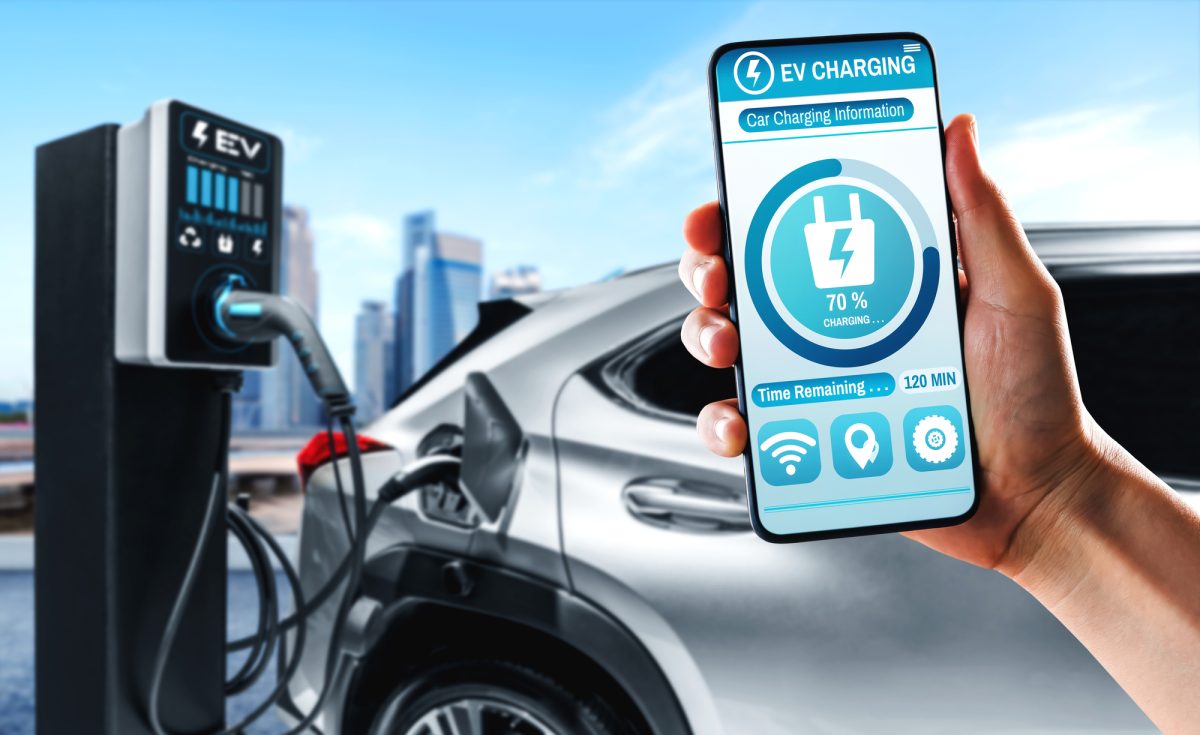
Maximizing your electric vehicle’s battery range isn’t just about having a bigger battery, it’s about smart driving habits, strategic planning, and optimizing efficiency. Whether you’re looking to extend daily commutes or go farther on road trips, these simple yet effective hacks will help you squeeze out every extra mile.
Read it here: 11 Genius Eletric Vehicle Hacks That Instantly Boost Your Battery Range
13 Jaw-Dropping Reasons Car Lovers Are Obsessed With AI-Powered Vehicles
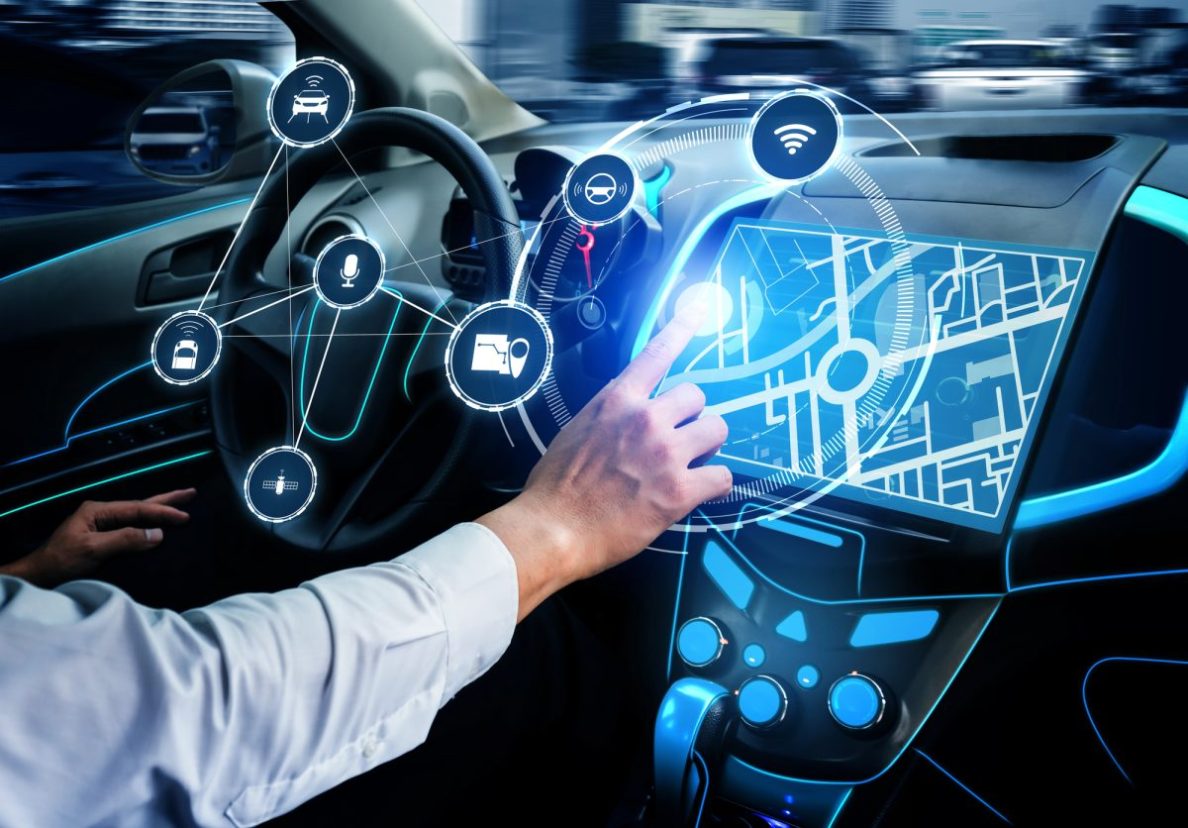
Artificial intelligence is transforming the automotive industry, making cars smarter, safer, and more efficient. AI-powered vehicles are no longer a futuristic concept, they are here, revolutionizing the way people drive. With features like self-driving capabilities, predictive maintenance, and enhanced safety systems, AI is redefining the driving experience. Here are 13 incredible reasons why car enthusiasts are obsessed with AI-powered vehicles.
Read it here: 13 Jaw-Dropping Reasons Car Lovers Are Obsessed With AI-Powered Vehicles
11 Concept Cars That Went From Fantasy To The Showroom

Concept cars often showcase futuristic designs and groundbreaking technology, but most never make it past the prototype stage. However, some visionary models defied the odds and transitioned from auto show spectacles to full-fledged production vehicles. These cars brought cutting-edge features and radical styling to everyday drivers, proving that bold innovation can become reality. Here are 11 concept cars that successfully made the leap from fantasy to the showroom.
Read it here: 11 Concept Cars That Went From Fantasy To The Showroom
You’ll love these related posts: