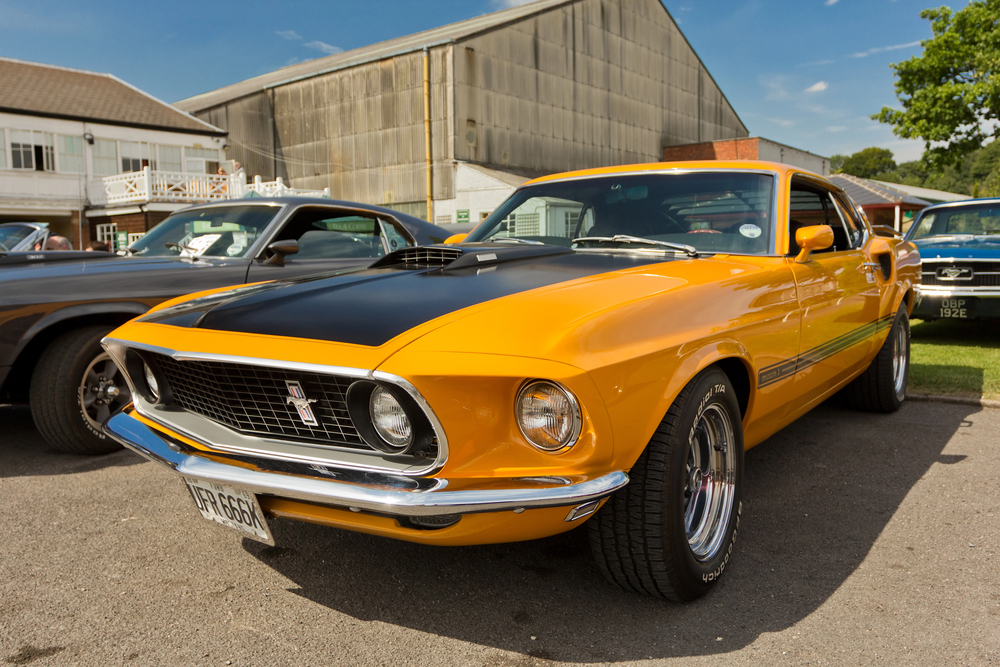
Automakers have long used rebadging as a strategy to cut costs, expand market reach, or comply with regional regulations. But sometimes, the results have been downright bizarre. Whether due to cultural mismatches, conflicting brand identities, or odd partnerships, these rebadged cars left many scratching their heads. Here are 12 of the strangest rebadged cars ever to hit the market.
Cadillac Cimarron (Chevy Cavalier)
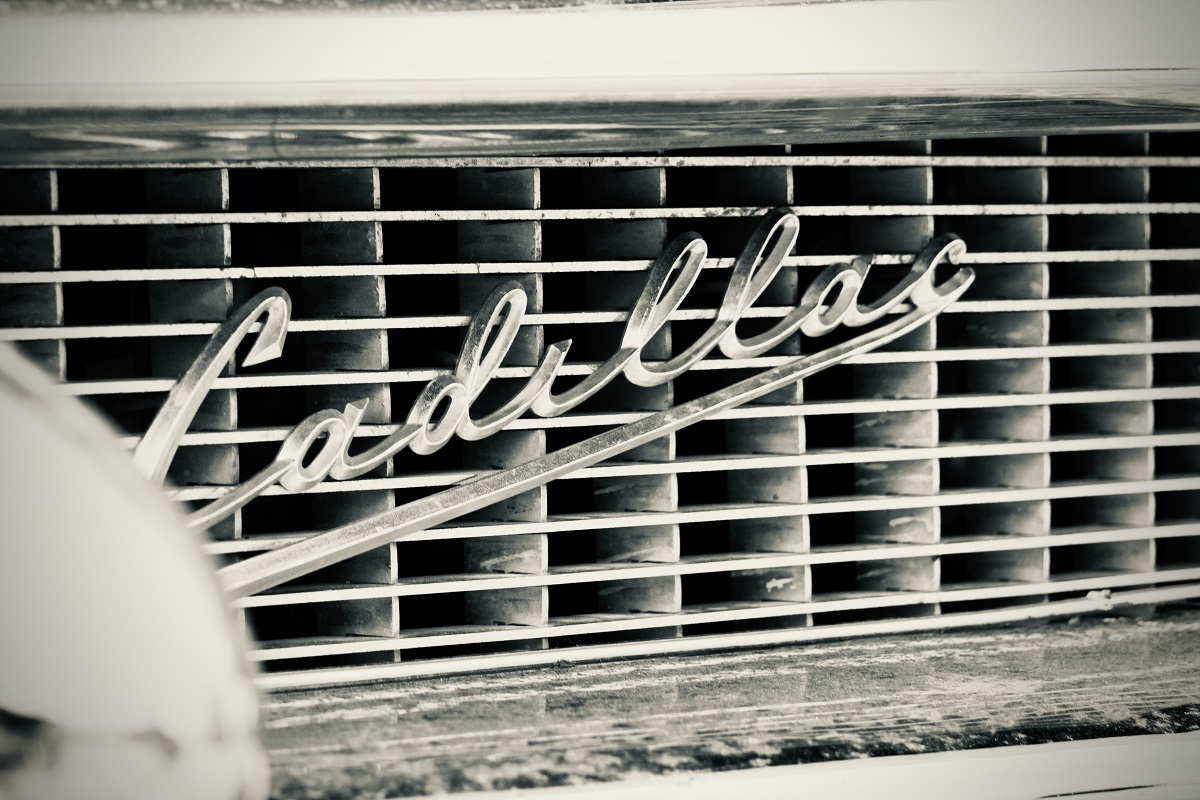
Cadillac, a brand synonymous with luxury, made an odd move in the 1980s by rebadging the humble Chevrolet Cavalier as the Cimarron. Despite minor upgrades, the Cimarron failed to deliver the premium experience expected from Cadillac. With underwhelming performance and a nearly identical look to the Cavalier, it damaged Cadillac’s reputation for years.
Saab 9-7X (Chevy Trailblazer)

Swedish automaker Saab was known for quirky, turbocharged sedans, making its rebadged version of the Chevy Trailblazer feel completely out of place. The 9-7X was essentially a GM SUV with a Saab badge and a few minor refinements. Dubbed the “Trollblazer” by critics, it struggled to attract Saab loyalists and faded into obscurity.
Acura SLX (Isuzu Trooper)

Honda’s luxury division, Acura, entered the SUV market with the SLX, which was nothing more than a rebadged Isuzu Trooper. While the Trooper was a capable off-roader, Acura’s upscale reputation clashed with its rugged, boxy styling. The SLX lacked any real differentiation, making it one of Acura’s most forgettable models.
Chevy SS (Holden Commodore)

The Chevy SS was a full size, V8-powered sports sedan sourced from Australia’s Holden Commodore, but few Americans knew what to make of it. Despite its impressive performance, its bland styling and lack of marketing doomed it. With Holden shutting down, the SS quietly disappeared, leaving only die hard enthusiasts to appreciate its potential.
Related: 12 Popular SUVs That Mechanics Secretly Hate
Chrysler TC by Maserati (Dodge Daytona)

In one of the strangest luxury collaborations, Chrysler worked with Maserati to create the TC, a rebadged Dodge Daytona. Despite Maserati’s involvement, the car was underwhelming, offering little more than a dressed up K-Car with a trident badge. It failed to excite luxury buyers and remains a curious footnote in both brands’ histories.
Related: 13 Cars Mechanics Avoid Buying for Their Own Families
Nissan Quest (Mercury Villager)

In the 1990s, Nissan and Ford teamed up to create a minivan sold as both the Nissan Quest and Mercury Villager. The problem? Neither brand’s customers were looking for a jointly developed minivan. While practical, the Villager never truly fit within Mercury’s lineup, making it one of the brand’s more forgettable models.
Related: 12 Scary Car Warning Lights and Sounds You Should Never Ignore
Dodge Stealth (Mitsubishi 3000GT)

While the Mitsubishi 3000GT was a high-tech sports car, its Dodge-branded twin, the Stealth, confused American buyers. It looked nearly identical to the 3000GT but carried the Dodge name, making it a tough sell against homegrown muscle cars. The Stealth never matched the enthusiasm of Dodge’s Viper or Challenger.
Suzuki Equator (Nissan Frontier)

Suzuki tried to enter the truck market by rebadging the Nissan Frontier as the Equator, but few saw the point. With no meaningful differences, buyers simply opted for the more recognizable Frontier. As Suzuki exited the U.S. market, the Equator became one of the brand’s most puzzling products.
Related: 12 Shocking Facts About How Robots Are Changing Car Manufacturing Forever
Plymouth Cricket (Hillman Avenger)

Chrysler’s attempt to bring a European compact to America resulted in the Plymouth Cricket, a rebadged Hillman Avenger from the UK. Unfortunately, it suffered from poor reliability, confusing marketing, and a lack of appeal. The Cricket failed to resonate with American buyers and disappeared quickly.
Related: 12 Classic Car Dashboards That Look Straight Out of a Sci-Fi Movie
Toyota Cavalier (Chevy Cavalier)

In a rare case of GM rebadging an American car for Japan, Toyota sold the Chevy Cavalier with minimal changes and limited local adaptations. Japanese buyers, used to Toyota’s high-quality cars, found the Cavalier unimpressive and somewhat outdated. Sales were weak, and the car became a forgotten experiment in cross brand globalization and marketing strategies.
Pontiac G3 (Chevy Aveo/Daewoo Kalos)

Pontiac, once known for performance and muscle cars, stunned enthusiasts by selling the G3, a rebadged Chevrolet Aveo (itself a Daewoo Kalos). The tiny, underpowered subcompact didn’t fit Pontiac’s sporty image at all and disappointed longtime fans. It flopped badly, highlighting the brand’s struggle before GM ultimately shut down Pontiac forever.
Related: 13 Mini Cars That Look Fake Until You See Them Drive
Infiniti M30 (Nissan Leopard)

Infiniti’s launch in the U.S. included the M30, a rebadged Nissan Leopard from Japan with minor luxury tweaks. While comfortable and decently equipped for its time, it lacked the performance and refinement expected from a luxury coupe, disappointing buyers. The M30 quickly fell into obscurity as Infiniti shifted its focus toward more competitive models with stronger appeal.
Related: 14 Fancy Cars That Look Premium but Cut Corners Where It Counts
Rebadging has led to some strange automotive creations, with brands attempting to fit vehicles into lineups where they didn’t belong. While some rebadged cars found niche success, many became forgotten oddities in automotive history. These examples show how even the biggest automakers can make puzzling decisions when trying to cut corners or expand their reach.
Disclaimer: This list is solely the author’s opinion based on research and publicly available information.
12 Infamous Cars That Were So Bad They Became Legends

Some cars achieve greatness by pushing boundaries, setting records, or defining eras. Others? They earn their place in history by being spectacularly bad, so flawed, disappointing, or downright dangerous that they became legends for all the wrong reasons. These 12 infamous cars failed in the market, but their reputations will never die.
Read it here: 12 Infamous Cars That Were So Bad They Became Legends
13 Pontiac Cars You’ll Never See Again

Pontiac was once a powerhouse of American performance, producing some of the most iconic muscle cars and stylish sedans. From fire breathing Trans Ams to quirky, forgotten models, Pontiac had a unique way of blending speed, innovation, and bold design. While the brand is now history, these 13 cars serve as a reminder of Pontiac’s glory days and why they’ll never be seen on showroom floors again.
Read it here: 13 Pontiac Cars You’ll Never See Again
14 Fancy European Cars That Bombed Hard In The US (What Went Wrong?)
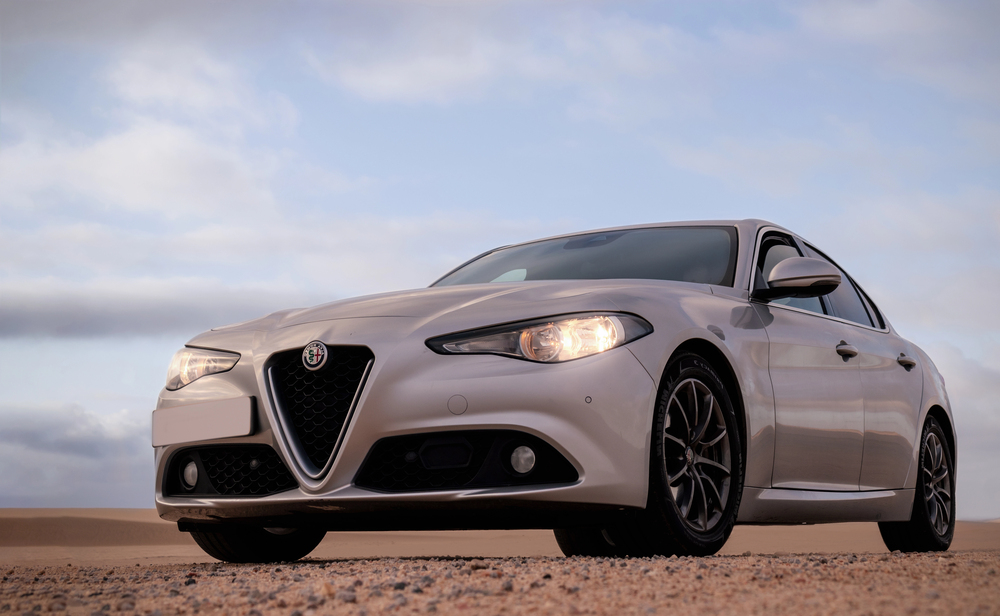
European car manufacturers have long been known for producing luxurious, high performance, and stylish vehicles. However, not every European import has been a hit in the US market. Some cars suffered from poor reliability, bad marketing, or simply didn’t align with American tastes, leading to their ultimate downfall.
Read it here: 14 Fancy European Cars That Bombed Hard In The US (What Went Wrong?)
You’ll love these related posts:
- 13 Bizarre Rules And Laws That Shaped American Taxicabs
- 13 Tire Brands That Make Driving Safer And Faster Without You Even Realizing It
- 12 Visionary Designers Behind The Most Iconic Cars In History
- 15 Groundbreaking F1 Innovations That Redefined Speed and Safety
- 12 Expensive Cars That Promise Luxury But Will Leave You Disappointed